
Video games have evolved from simple entertainment into cultural powerhouses that shape how we communicate, dress, and see the world. These games did not just entertain millions; they rewrote the rules of pop culture itself, creating icons, catchphrases, and movements that extend far beyond gaming. Let’s see what are the Top 10 Video Games that Influenced Pop Culture.
Our Top 10 on the list



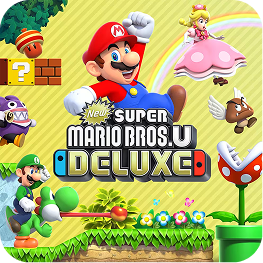
10. Doom (1993)
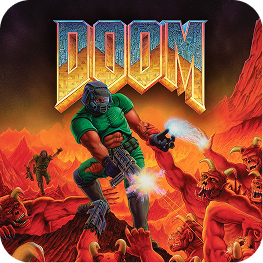
Doom revolutionized gaming and sparked the first major controversy about video game violence. This first-person shooter was so influential that similar games were called “Doom clones” for years. The game landed in newspaper headlines and TV news segments, with politicians and parents debating its impact on society.
The controversy actually pushed gaming into mainstream conversation like never before. Many professional game developers got their start making Doom modifications as teenagers.
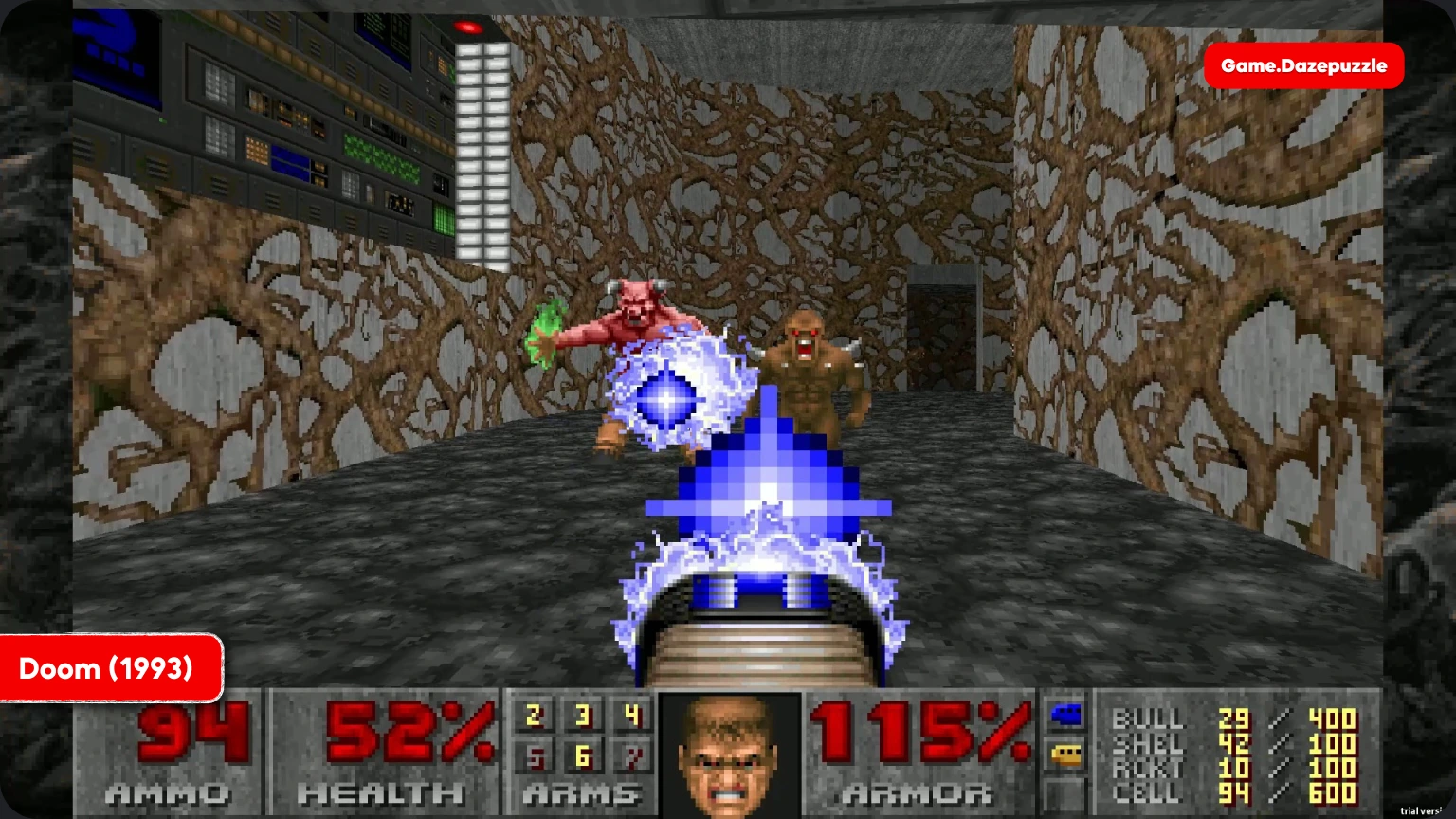
You started seeing Doom references pop up everywhere in the 90s TV shows like The Simpsons made jokes about it, movies referenced its intense action, and the game’s dark, gritty look became what people thought of when they heard “hardcore gaming.”
9. Street Fighter II (1991)
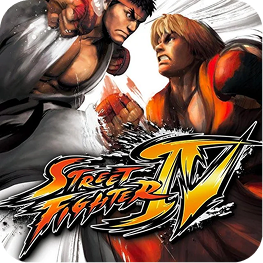
Street Fighter II created the competitive fighting game scene and became a cultural phenomenon that stretched far beyond arcades. The game turned gaming into a spectator sport decades before esports became mainstream, with tournaments drawing crowds of competitors and fans.
The hip-hop community absolutely fell in love with Street Fighter II. It was not just about the game anymore, Street Fighter became part of the culture, proving that gaming belonged right alongside music and fashion in urban communities.
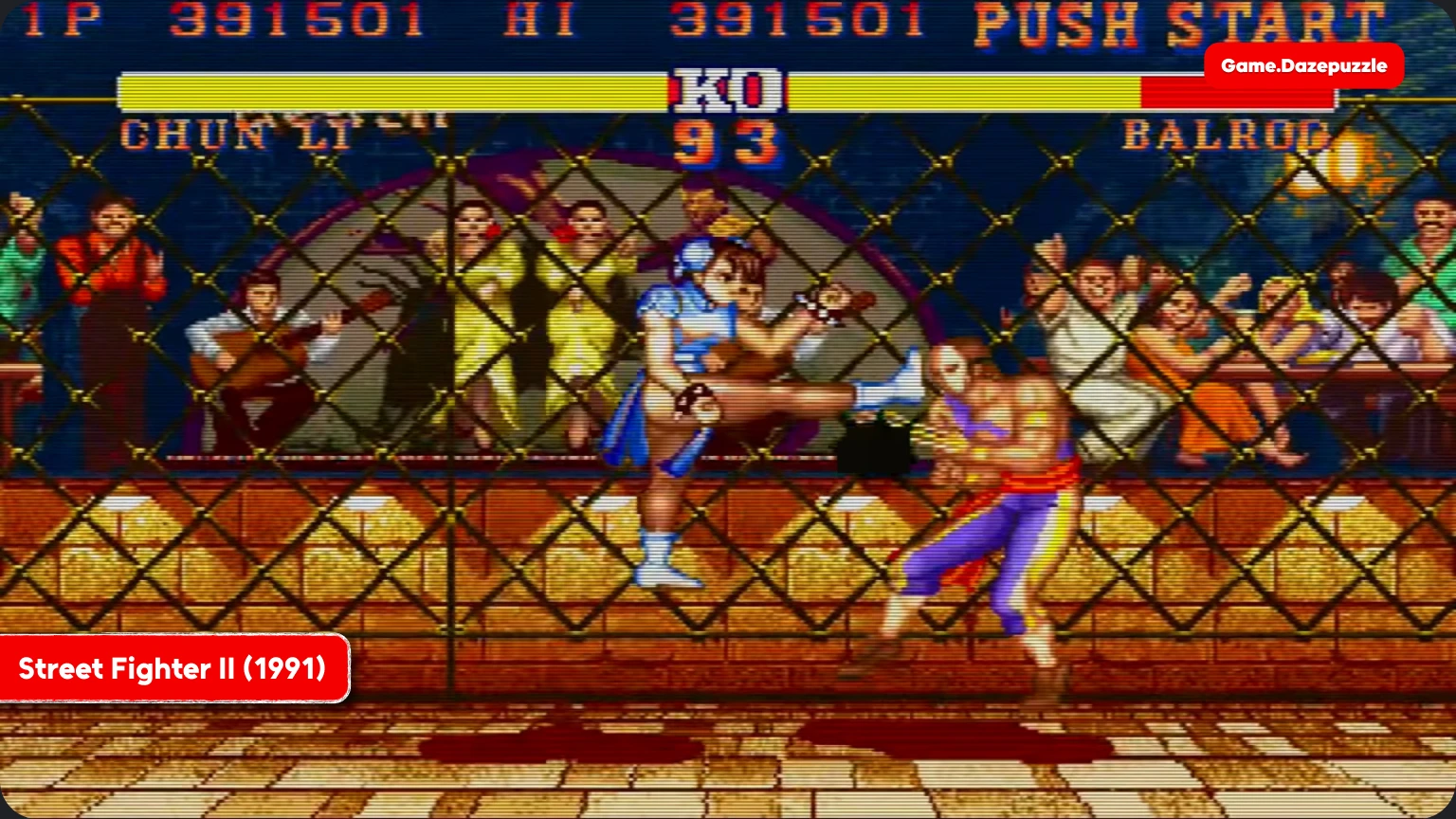
The diverse cast of international fighters became cultural icons. Chun-Li became one of gaming’s first iconic female characters, inspiring cosplayers and appearing on merchandise worldwide.
8. Mortal Kombat (1992)
Mortal Kombat did not just push the envelope; it tore the whole thing up and set it on fire. Those brutal fatalities had parents freaking out and politicians holding actual hearings in Congress. That is how we ended up with the ESRB ratings you see on every game today.
This was not some quiet gaming controversy either; your mom was probably hearing about it on the evening news. Meanwhile, kids everywhere were walking around yelling “Finish Him!” at each other.
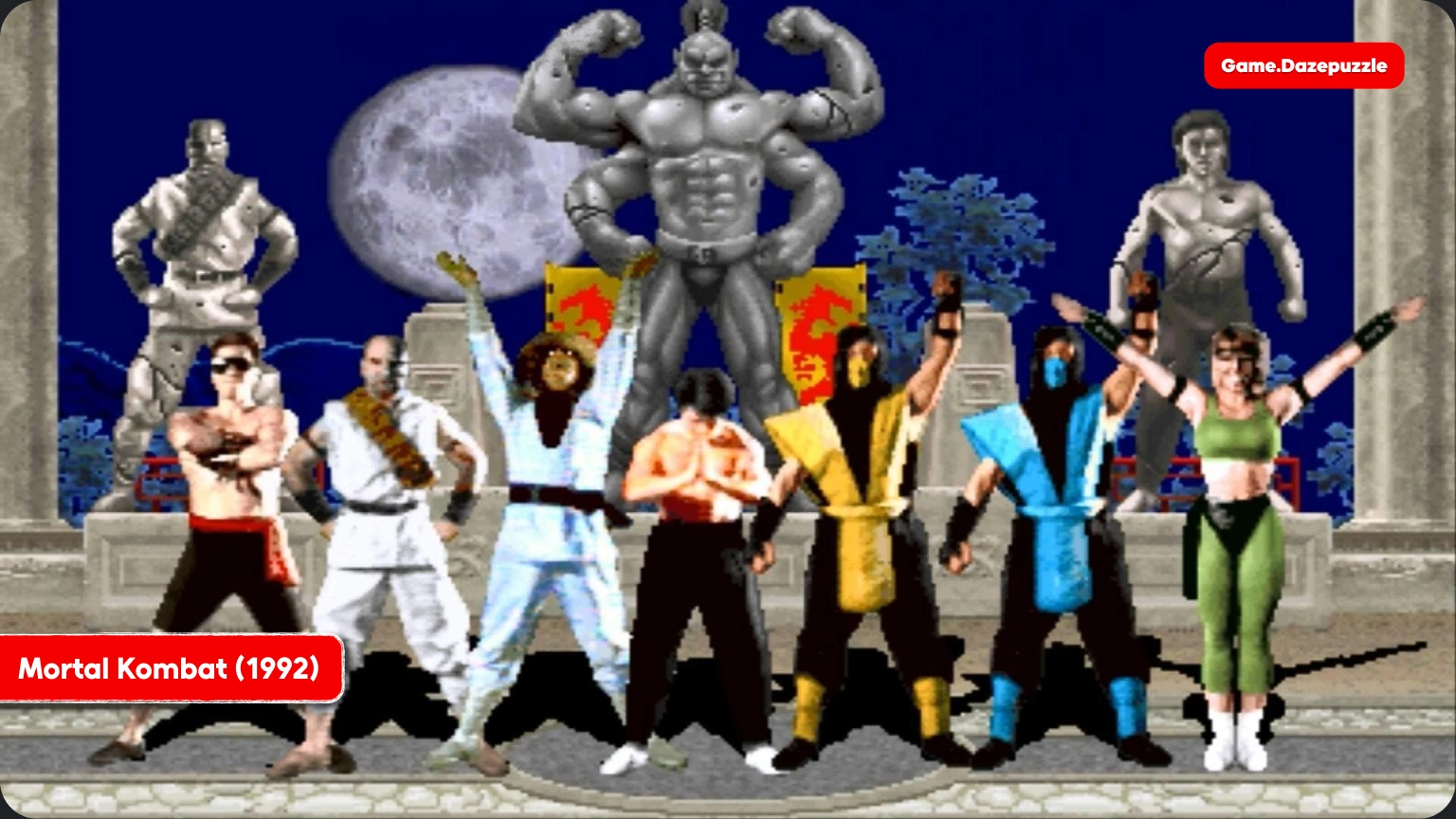
When Hollywood made the Mortal Kombat movie, it actually did not suck which was pretty shocking for a video game adaptation back then. Suddenly, everyone realized that games could be turned into entire franchises with movies, comics, and toys.
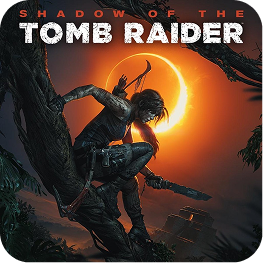
7. Tomb Raider (1996)
When Lara Croft showed up in 1996, she was nothing like the typical video game heroes we were used to. Here was this brilliant, tough archaeologist who could handle herself in any situation, and she was the star of her own show, not some sidekick waiting to be rescued.
Suddenly, Lara was everywhere. She ended up on magazine covers next to actual celebrities, people started copying her style, and everyone had an opinion about her.
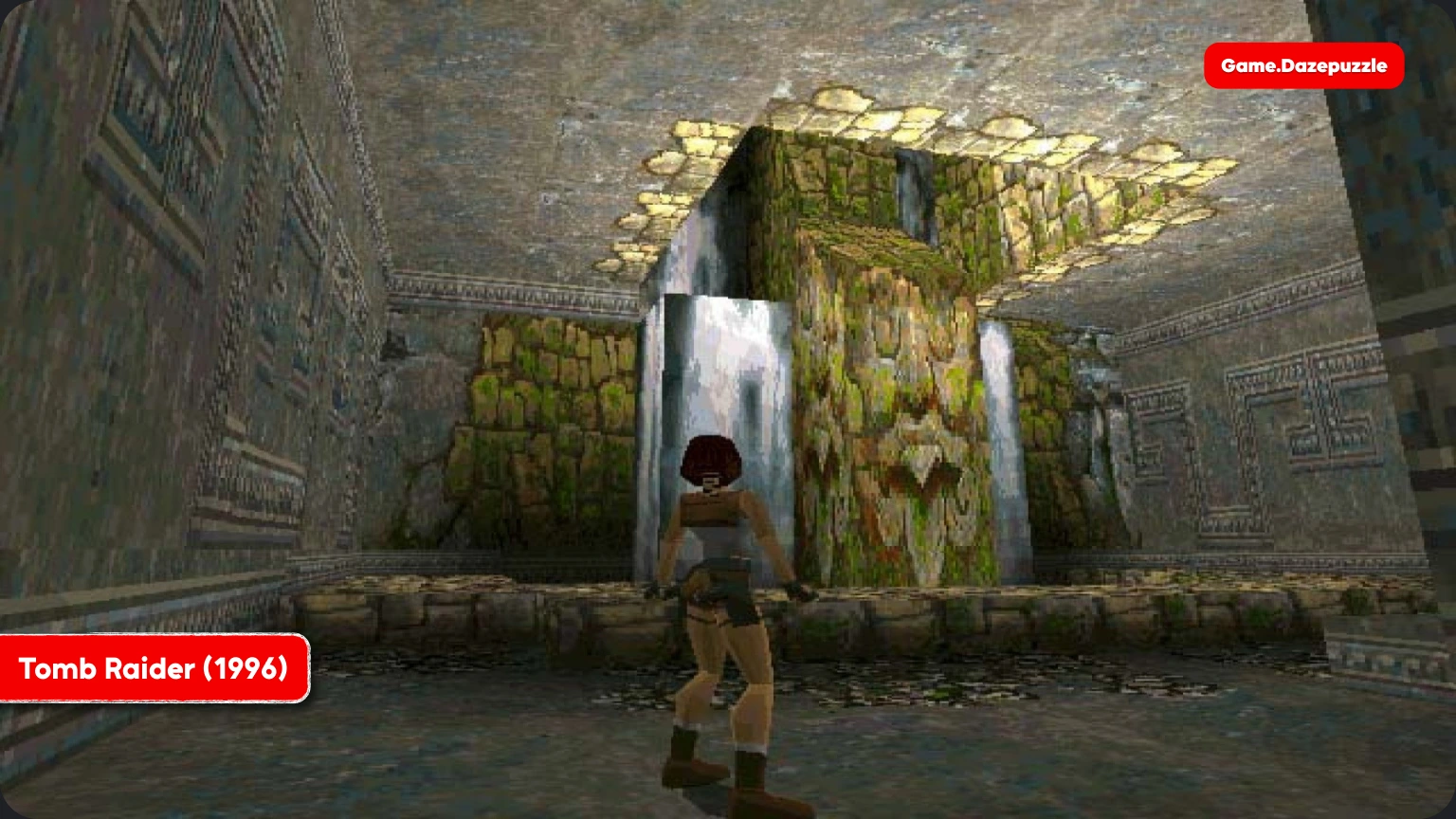
That whole tank top, shorts, and dual pistols look? It became iconic overnight. She basically proved that video game characters could be just as famous as any movie or TV star.
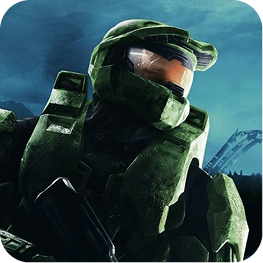
6. Halo (2001)
Halo launched with the original Xbox and practically carried the entire console, with Master Chief becoming Microsoft’s answer to Mario. The game redefined first-person shooters and helped establish Xbox as a serious competitor in the console wars.
Halo 2’s Xbox Live integration brought console online multiplayer to the masses, laying the foundation for today’s massive online gaming culture.
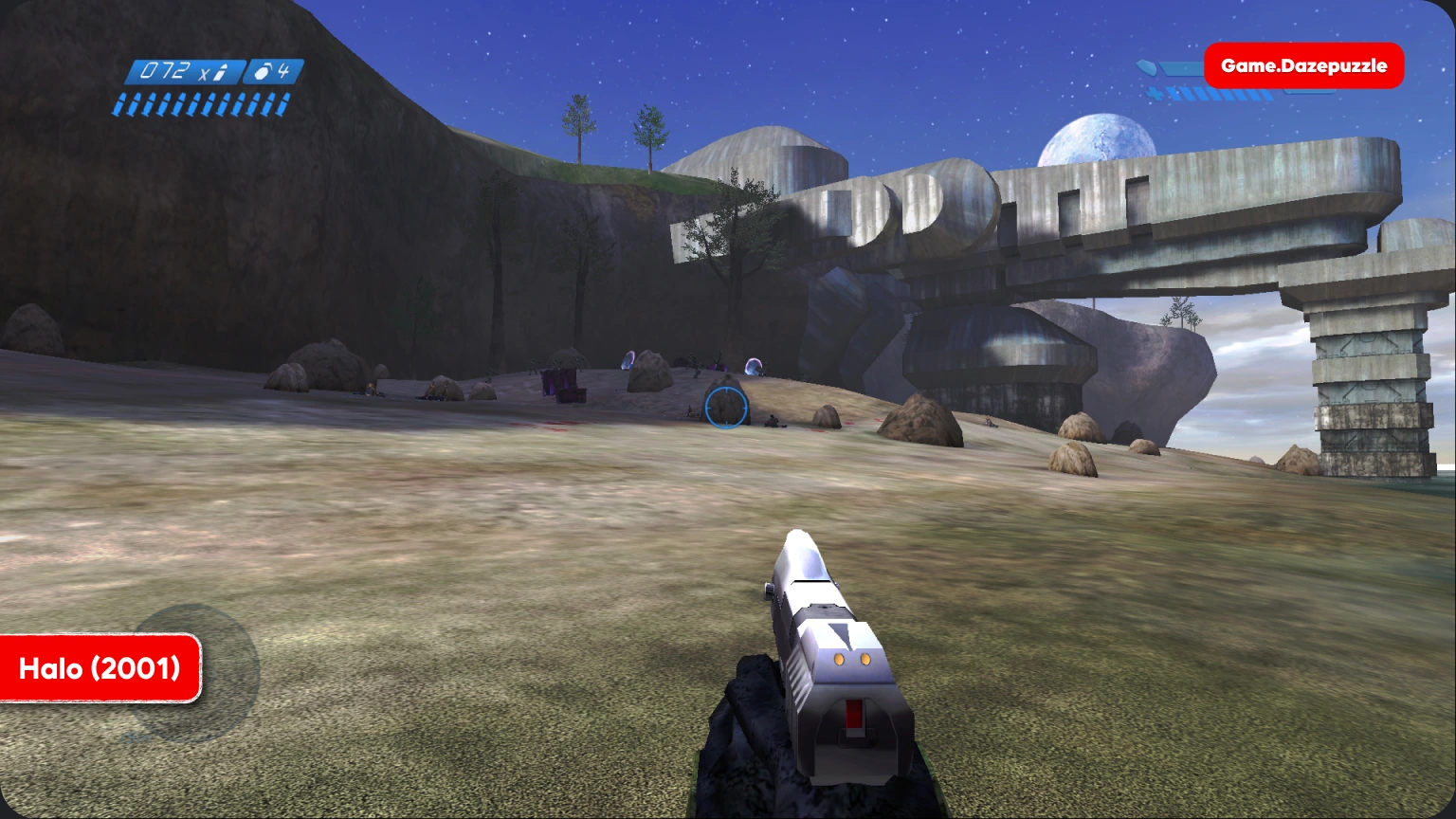
Master Chief’s iconic armor design became instantly recognizable in popular culture. The character appeared in commercials and became a symbol of gaming itself. The Halo theme music became so iconic that orchestras performed it in concert halls, showing how video game music could achieve cultural status equal to film soundtracks.
You might also like this: Top 10 Video Game Easter Eggs that are Genius
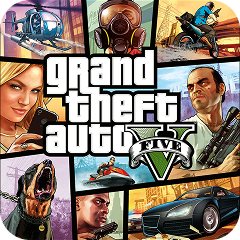
5. Grand Theft Auto (1997-present)
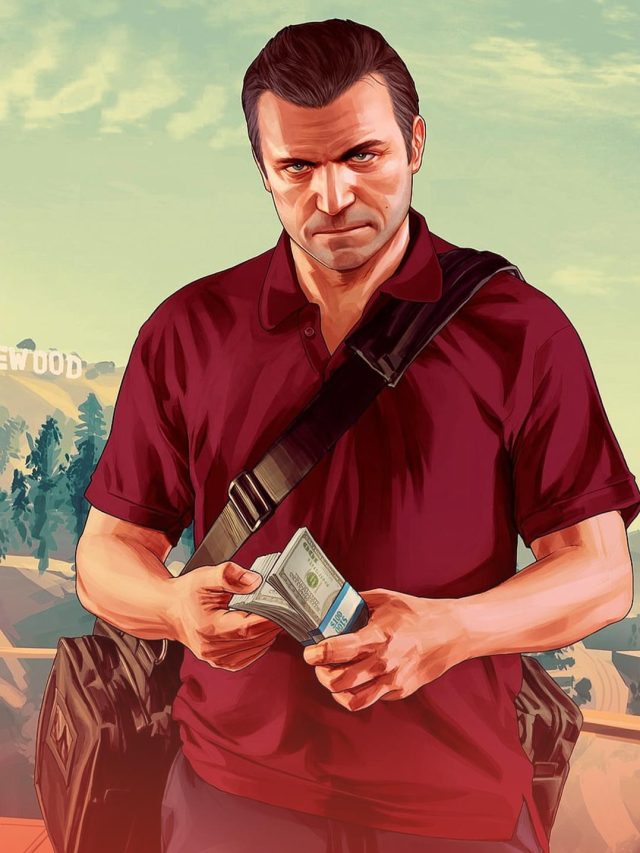
The Grand Theft Auto series thrived on controversy while becoming one of the most successful entertainment franchises in history.
The series proved that video games could offer experiences as rich and complex as movies or books. GTA’s influence on music culture was significant too, with carefully curated radio stations introducing players to new music and boosting artists’ careers through game inclusion.
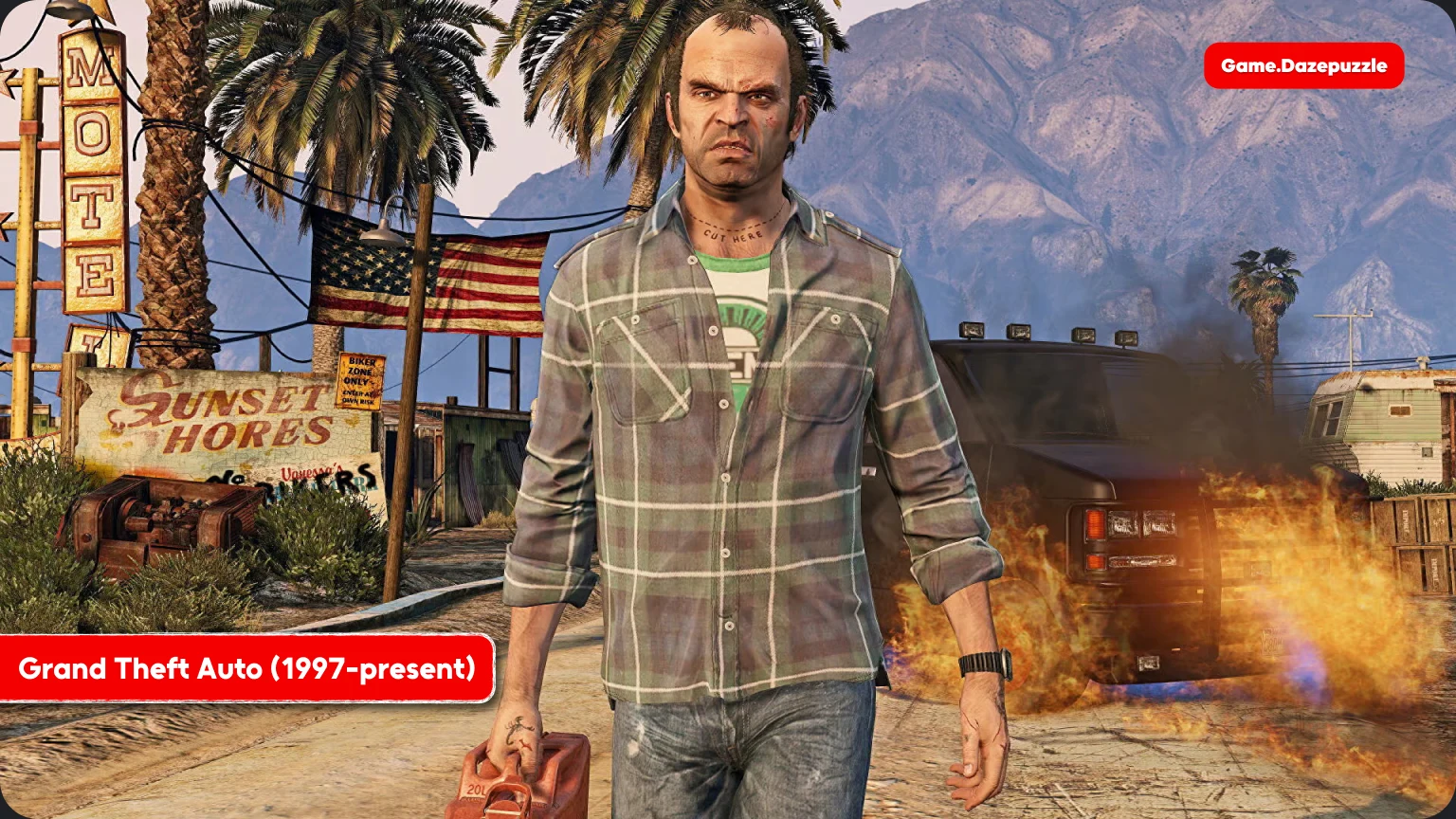
The controversy surrounding GTA actually helped establish video games as a serious medium worthy of cultural debate. Politicians and critics took GTA seriously enough to argue about it, which elevated gaming from mere entertainment to legitimate artistic expression.
4. Fortnite (2017)
Fortnite became a cultural phenomenon that changed how an entire generation socialized and expressed themselves. The battle royale created a gaming experience that transcended traditional boundaries and became a genuine social platform.
The game’s influence on dance culture was unprecedented. Fortnite’s emote dances became viral sensations performed in school playgrounds, celebrated by athletes during games, and copied by celebrities on talk shows.
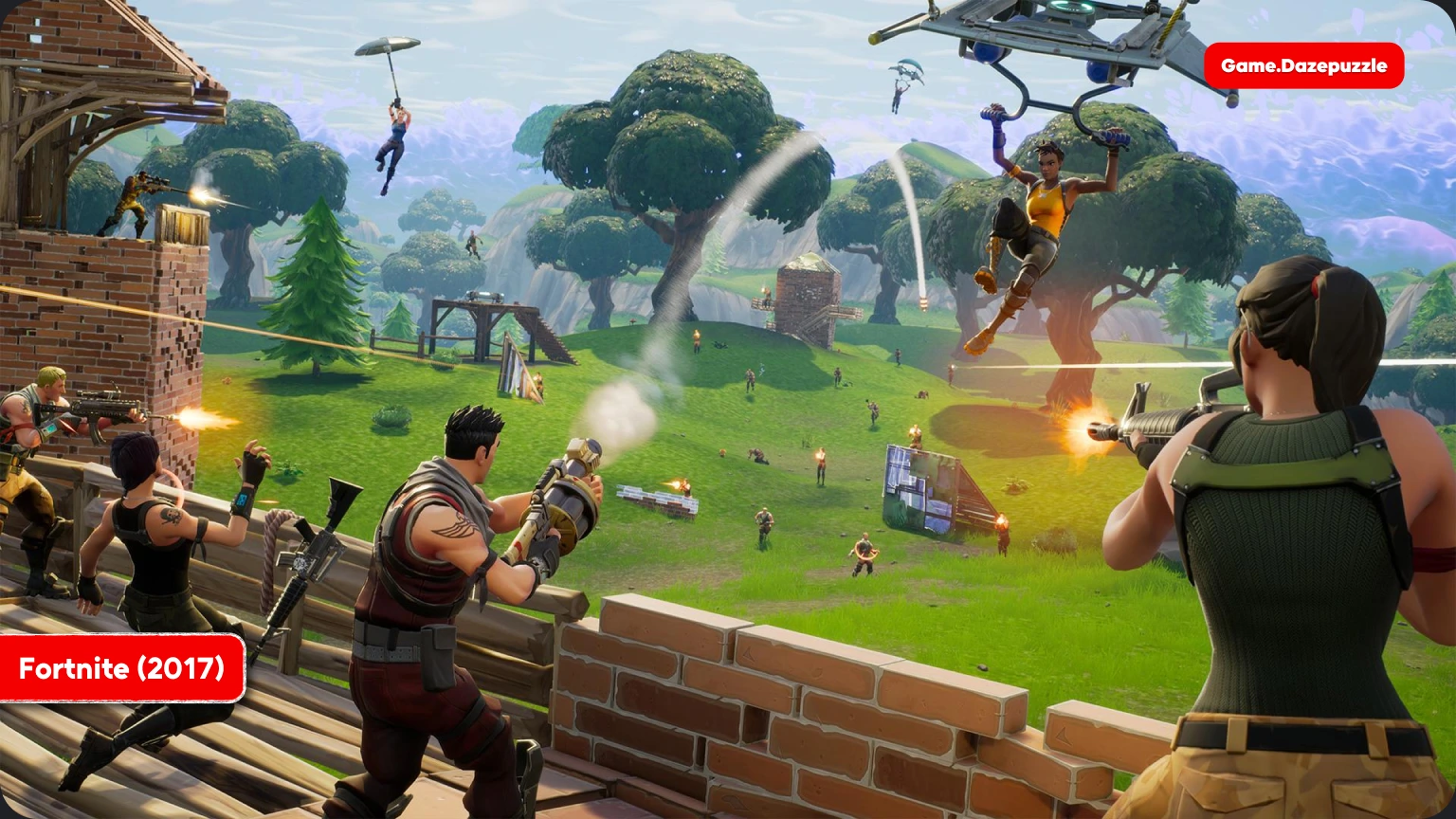
Fortnite revolutionized gaming economics with its free-to-play model and cosmetic purchases. The game hosted virtual concerts with major artists like Travis Scott, drawing millions of viewers.
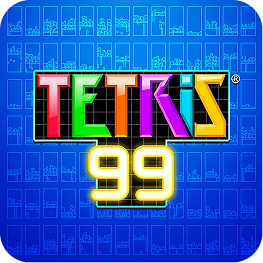
3. Tetris (1984)
Tetris achieved universal appeal across all age groups and cultures, becoming one of the most recognizable games in history. This simple puzzle game about falling blocks proved that the best concepts are often the simplest ones.
Tetris appeared on practically every gaming platform ever created and became the game that everyone had played, regardless of gaming background.

Researchers coined the term “Tetris Effect” to describe how the game’s imagery persisted in players’ minds after playing.
2. Pokémon (1996)
Pokémon created a global cultural phenomenon that changed portable gaming and social interaction forever. The series pioneered games requiring real-world social interaction, as players had to trade with friends to catch all Pokémon.
The franchise exploded beyond gaming into animated series, movies, trading cards, and merchandise. Pikachu became as recognizable as Mickey Mouse, and “Gotta Catch ‘Em All” entered everyday language.
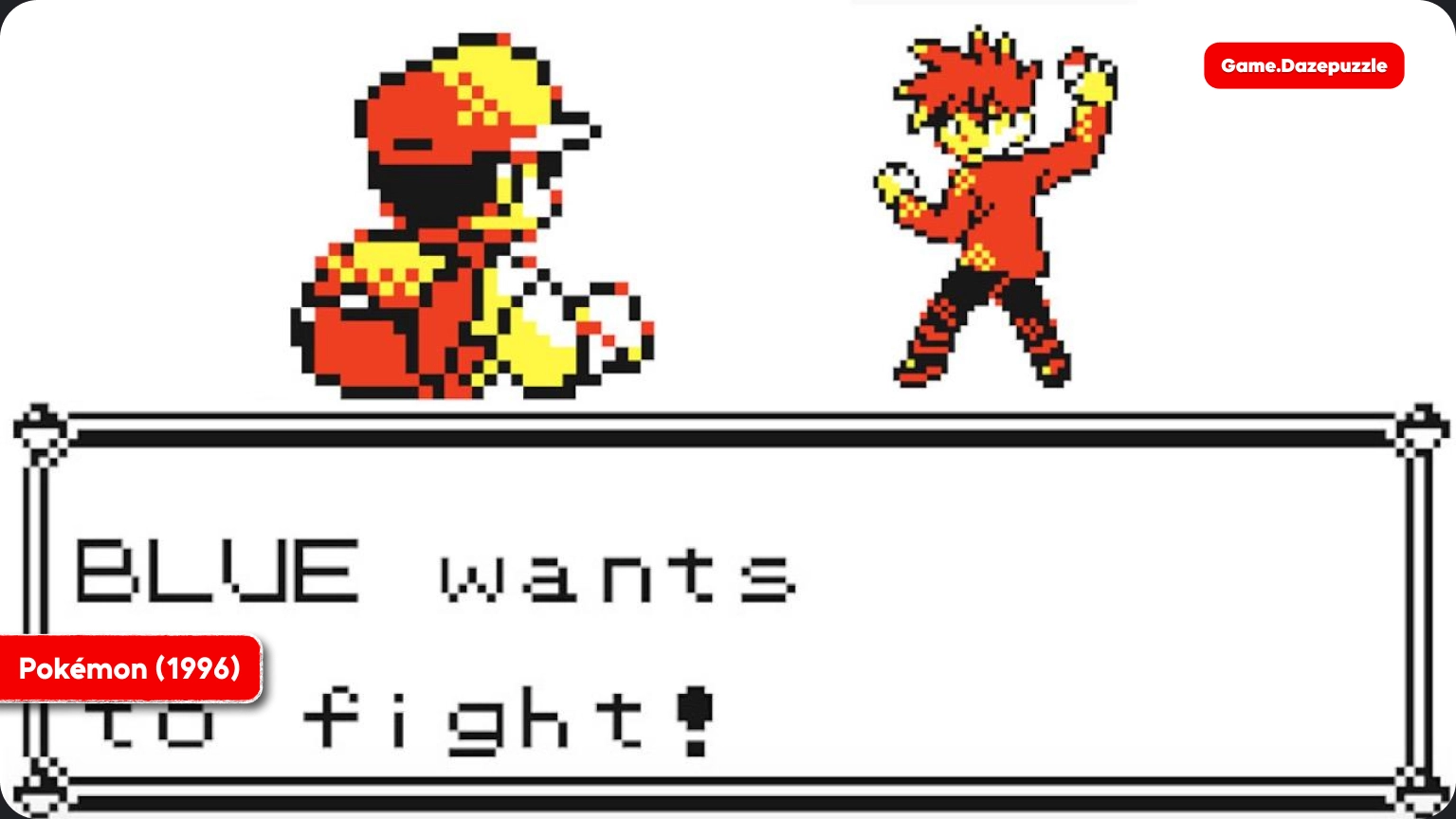
The concept of collecting, training, and battling creatures became a cultural phenomenon influencing toys, card games, and other video games.
1. Super Mario Bros. (1985)
Super Mario Bros. saved the video game industry after the 1983 crash and redefined what games could be. Nintendo created the template for video game entertainment that is still followed today, establishing fundamental design principles that influenced virtually every platformer afterward.
Mario became the face of video gaming itself, achieving cultural recognition that rivals any character from movies or television.
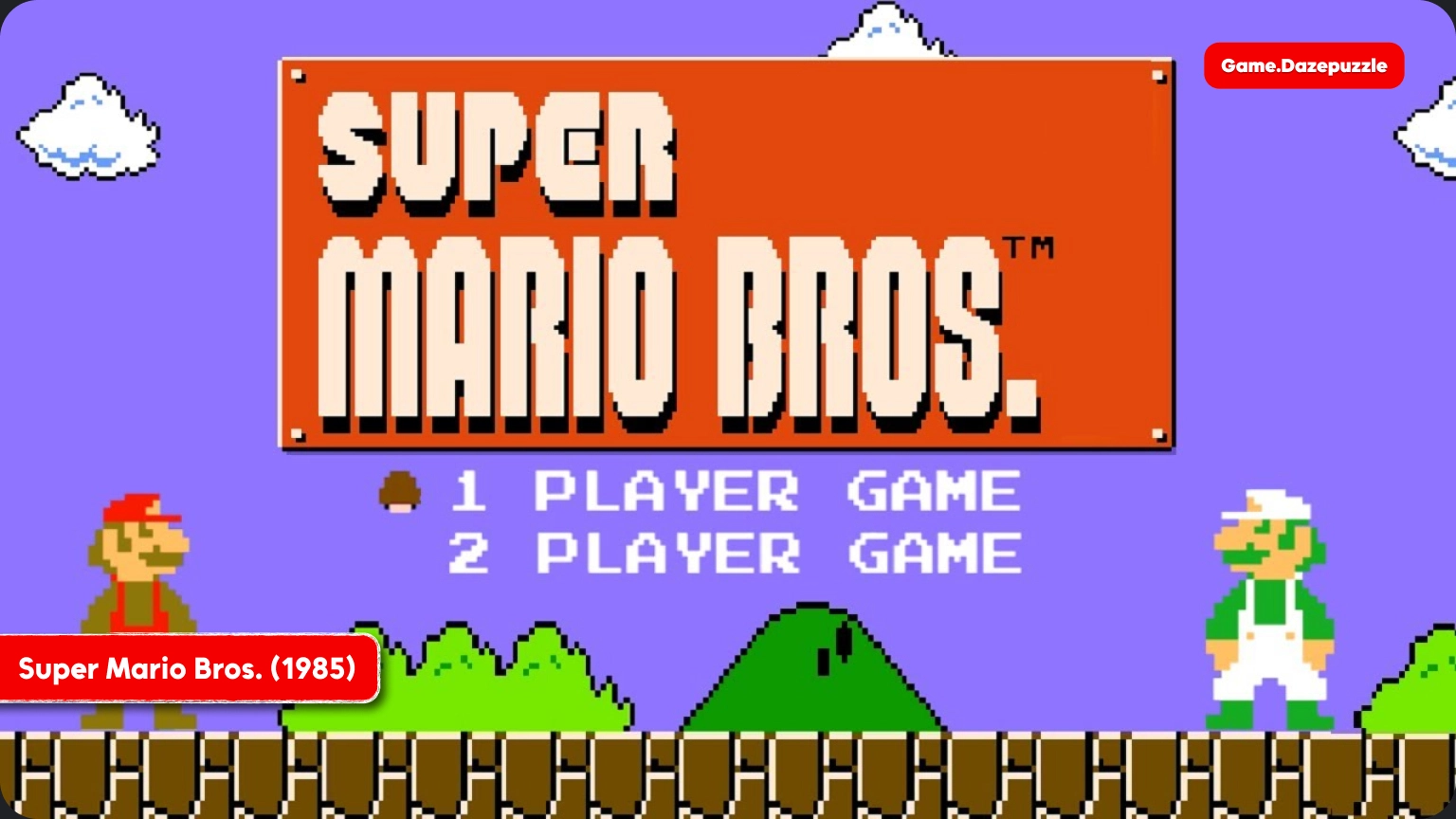
The game brought families together around television sets, with parents and children taking turns and helping each other through levels. This social aspect helped establish video games as mainstream entertainment rather than a niche hobby.
Cultural Impact That Endures
Gaming has become one of the most important forms of modern entertainment, and these games have played crucial roles in that transformation. They proved video games could be art, social platforms, competitive sports, and cultural phenomena simultaneously. Their legacy continues to influence new generations of games and gamers, ensuring their cultural impact will be felt for years to come.
Thanks for keeping up with Game.Dazepuzzle.com