Filling out your Pokedex in Pokemon Legends Z-A means getting familiar with Wild Zones, the special designated areas scattered throughout Lumiose City where you’ll catch the bulk of your Pokemon collection. With 20 different Wild Zones packed with everything from common critters like Fletchling to rare starters like Charmander and Froakie, knowing which zones unlock when and what Pokemon call each area home can save you hours of aimless wandering. This guide breaks down every Pokemon Legends Z-A Wild Zone, including unlock requirements, Pokemon spawns, and tips for efficiently completing your collection without losing your mind trying to find that one elusive Pokemon hiding on a rooftop somewhere.
Table of Contents
All Wild Zones List in Pokemon Legends Z-A
| Wild Zone | Unlock Requirement | Notable Pokemon | Special Features |
|---|---|---|---|
| Zone 1 | Tutorial (Story Start) | Fletchling, Pichu, Mareep | First catching area |
| Zone 2 | Full Map Access | Staryu, Magikarp, Budew | Water Pokemon spawns |
| Zone 3 | Full Map Access | Pikachu, Flabebe, Espurr | Fairy-type habitat |
| Zone 4 | Full Map Access | Gastly, Honedge, Ekans | Ghost/Dark Pokemon |
| Zone 5 | Full Map Access | Abra, Electrike, Venipede | Diverse type pool |
| Zone 6 | Complete Mission 9 | Houndour, Swablu, Meditite | Mixed terrain |
| Zone 7 | Complete Mission 9 | Gible, Sandile, Machop | Ground-type heaven |
| Zone 8 | Complete Mission 9 | Vanillite, Hippopotas, Roselia | Ice and Grass mix |
| Zone 9 | Complete Mission 9 | Sableye, Mawile, Carbink | Rare type encounters |
| Zone 10 | Complete Mission 9 | Tynamo, Slowpoke, Carvanha | Rooftop Pokemon |
| Zone 11 | Complete Mission 14 | Gyarados, Furfrou, Inkay | Saison Canal area |
| Zone 12 | Complete Mission 14 | Bergmite, Delibird, Snover | Frozen ice zone |
| Zone 13 | Complete Mission 14 | Heracross, Pinsir, Scyther | Bug-type paradise |
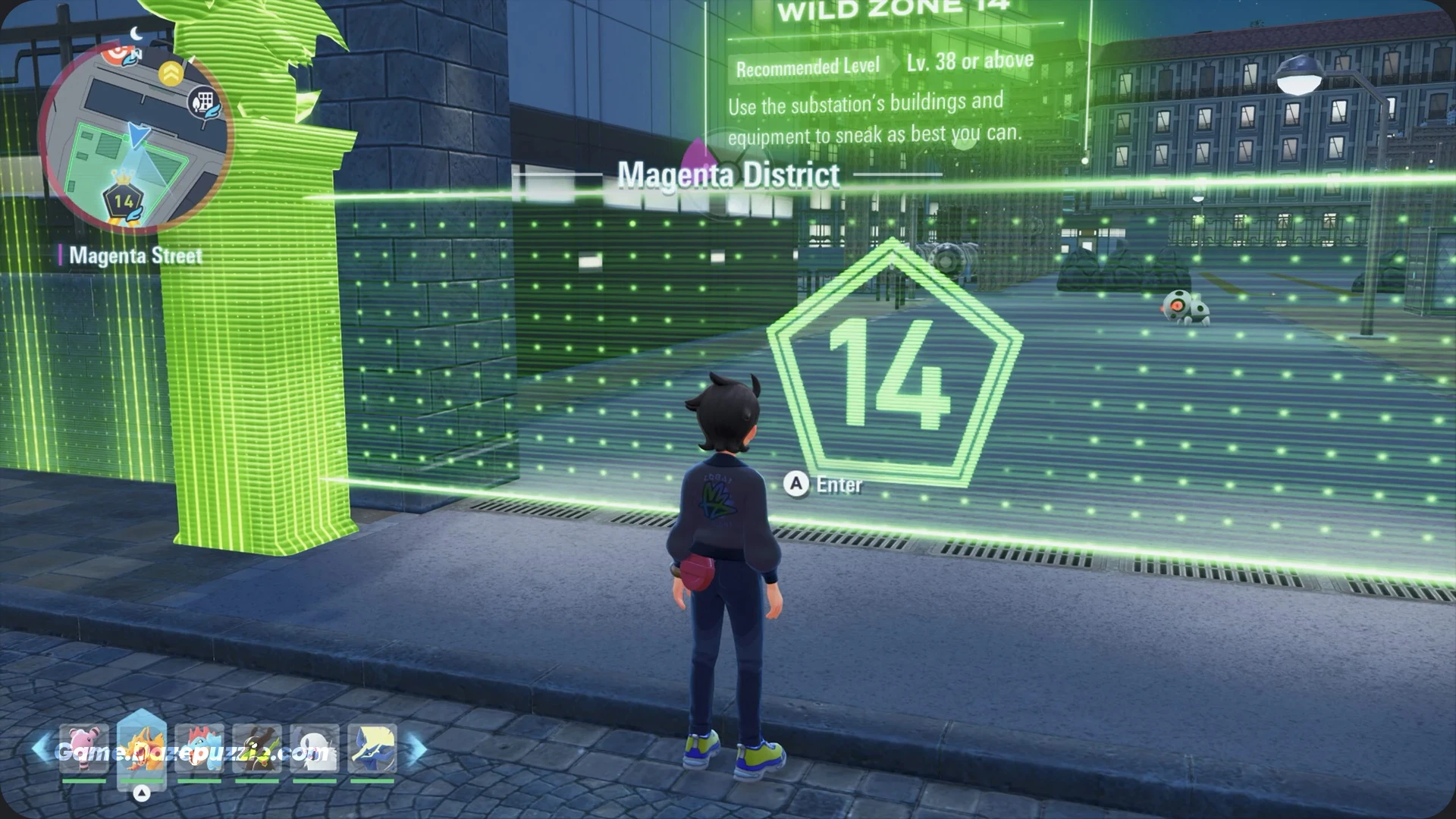
| Zone 14 | Complete Mission 19 | Excadrill, Lairon, Emolga | Power plant location |
| Zone 15 | Complete Mission 19 | Larvitar, Pumpkaboo, Haunter | Night spawn focus |
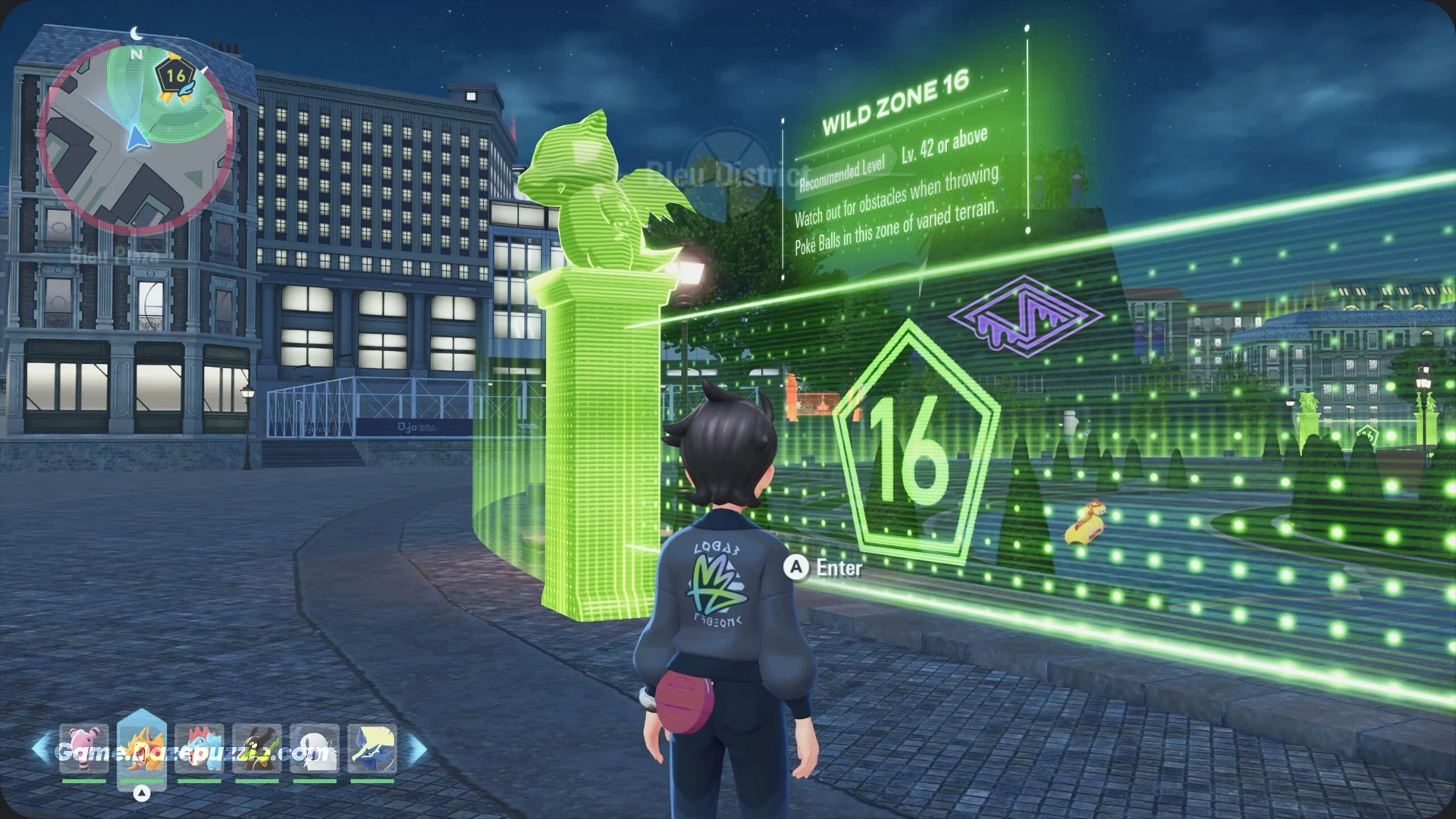
| Zone 16 | Complete Mission 24 | Froakie, Falinks, Barbaracle | Starter available |
| Zone 17 | Complete Mission 24 | Chespin, Pyroar, Klefki | Large diverse zone |
| Zone 18 | Complete Mission 30 | Fennekin, Noibat, Bagon | Dragon spawns |
| Zone 19 | Complete Mission 30 | Eevee, Kangaskhan, Drampa | Pre-final mission |
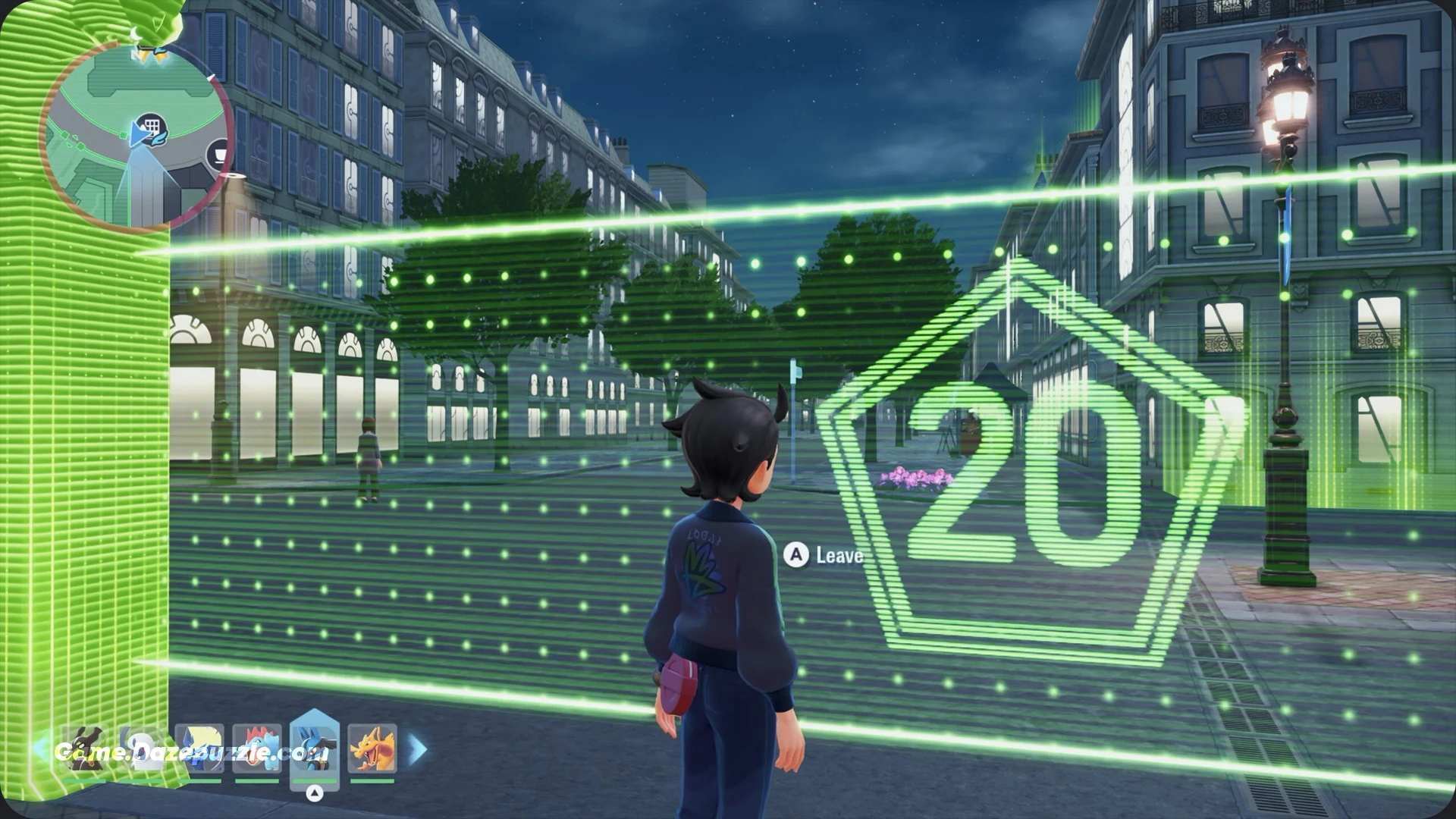
| Zone 20 | Post-Game (After Mission 38) | All Gen 1 & 6 Starters | Biggest zone |
What Are Wild Zones in Pokemon Legends Z-A
Wild Zones are the bread and butter of your Pokemon-catching adventure in Lumiose City. Unlike traditional Pokemon games where you’re bumping into wild encounters in tall grass every three steps, Pokemon Legends Z-A Wild Zones are specific marked areas on your map where Pokemon freely roam around waiting to be caught. You’ll see Pokemon wandering in real-time, which means you can pick and choose your targets instead of playing the random encounter lottery.

Each Wild Zone has its own unique Pokemon roster, and catching every species in a zone nets you a satisfying crown icon on that zone’s marker. More importantly, completing zones racks up research points for Mable’s Research, which unlocks useful items and rewards as you progress. Think of Wild Zones as Pokemon habitats with specific themes. Some focus on water types near canals, others are crawling with ghost types in shadowy areas, and one frozen zone is basically an ice-type playground.
How to Unlock Wild Zones
The 20 Pokemon Legends Z-A Wild Zones don’t all pop up at once. They unlock gradually as you progress through the main story missions and rank up your trainer status.
Early Game Zones (Zones 1-6)
Wild Zones 1 through 6 become accessible early in your journey. Zone 1 is literally your tutorial area where the game teaches you the catching mechanics, so you can’t miss it. Zones 2 through 5 unlock once you gain full map access after the opening missions, though story progression might temporarily gate you from visiting certain areas. Zone 6 opens up after you complete Mission 9 by taking down Mega Absol, marking your first taste of mid-game content.
Mid Game Zones (Zones 7-13)
Zones 7, 8, 9, and 10 all unlock together after completing Mission 9, giving you four new hunting grounds to explore simultaneously. This is where Pokemon Legends Z-A Wild Zones start featuring more evolved forms and rarer species like Gible and Sableye. Zones 11, 12, and 13 unlock after Mission 14 when you reach Rank E, with Zone 11 stretching across the scenic Saison Canal and Zone 12 presenting the game’s frozen ice-themed area where catching Delibird will test your patience.
Late Game Zones (Zones 14-19)
Zones 14 and 15 open after Mission 19 (Rank D promotion), with Zone 14 taking place in a unique power plant setting packed with steel and electric types. Zones 16 and 17 become available after Mission 24 (Rank C), and here’s where things get exciting. Zone 16 contains Froakie, one of the Kalos starters. Zones 18 and 19 unlock after Mission 30 (Rank B promotion), featuring Fennekin and Chespin to round out the Kalos starter trio.
Post Game Zone (Zone 20)
Zone 20 is the grand finale, unlocking only after you’ve completed Mission 38 and sat through the end credits. This absolute unit of a Wild Zone is the largest in the game and contains a ridiculous 15 Pokemon species, including all three Kanto starters (Charmander, Squirtle, Bulbasaur) plus Johto starters Totodile and Chikorita. It’s basically the game’s victory lap, letting you catch powerhouses like Lucario, Dragalge, and fully evolved forms like Roserade and Aggron.
Pokemon Legends Z-A Wild Zone Locations and Pokemon
Let’s break down what you’ll actually find in each of the Pokemon Legends Z-A Wild Zones, because knowing spawn lists beats wandering around hoping for the best.
Wild Zone 1 Through 5 (Starting Areas)
Zone 1 keeps things simple with seven beginner-friendly Pokemon: Fletchling, Scatterbug, Pidgey, Mareep, Weedle, Pichu, and Bunnelby. It’s designed to teach you catching mechanics without overwhelming you.

Zone 2 introduces water types with Staryu and Magikarp alongside Kakuna, Patrat, Binacle, and Budew. Zone 3 brings fairy-type flair with Flabebe plus Litleo, Espurr, Pikachu, and Pancham. Zone 4 goes spooky with Gastly and Honedge, adding Patrat, Spewpa, Ekans, and Spinarak. Zone 5 rounds out the starting zones with Pidgeotto, Abra, Pidgey, Bunnelby, Bellsprout, Electrike, and Venipede.
Wild Zone 6 Through 10 (Mission 9 Unlocks)
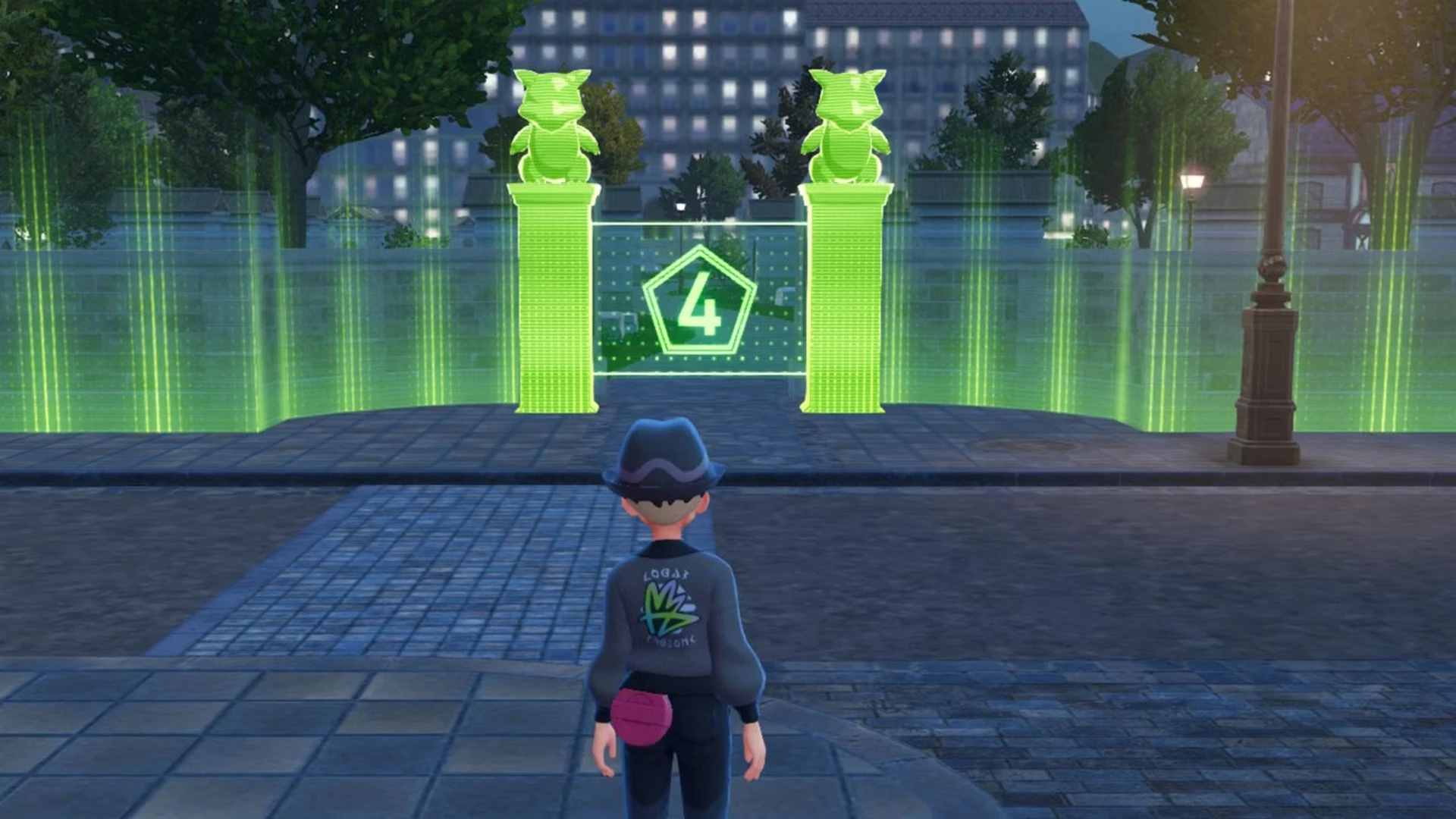
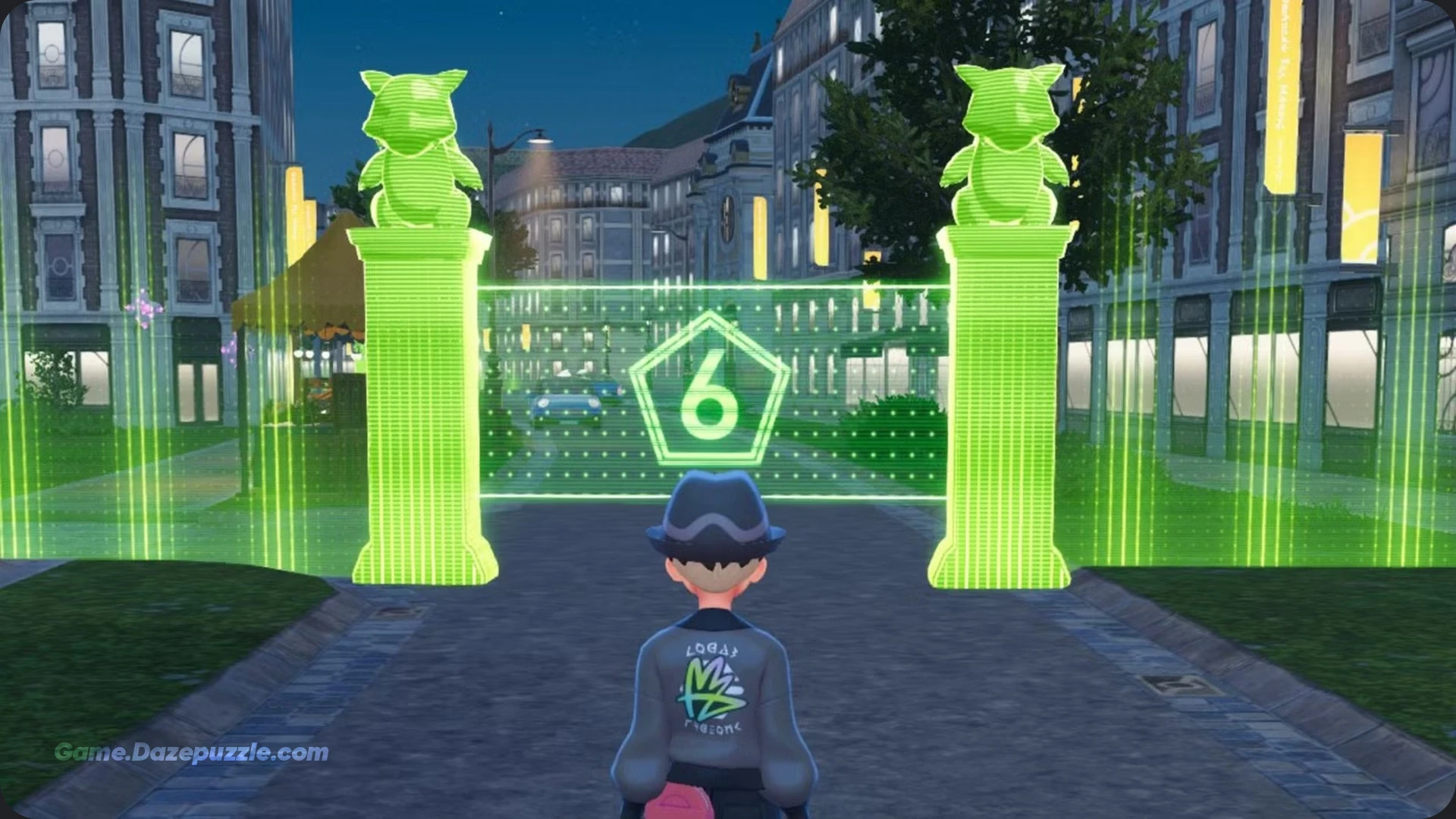
Zone 6 mixes things up with Buneary, Binacle, Magikarp, Flaaffy, Swablu, Houndour, and Meditite. Zone 7 is ground-type central featuring Numel, Machop, Sandile, Gible, Drillbur, and Krokorok. Definitely hit this one if you’re hunting for pseudo-legendaries early.
Zone 8 has the beloved Vanillite (the best Pokemon, according to some) alongside Roselia, Audino, Floette, Hippopotas, Kakuna, and Shuppet. Zone 9 offers rare encounters like Sableye, Mawile, and Carbink, plus Espurr, Kadabra, and Fletchinder. Zone 10 is famous for rooftop-dwelling Pokemon including Slowpoke, Bellsprout, Carvanha, Staryu, Watchog, Arbok, and the elusive Tynamo.
Wild Zone 11 Through 13 (Mission 14 Unlocks)
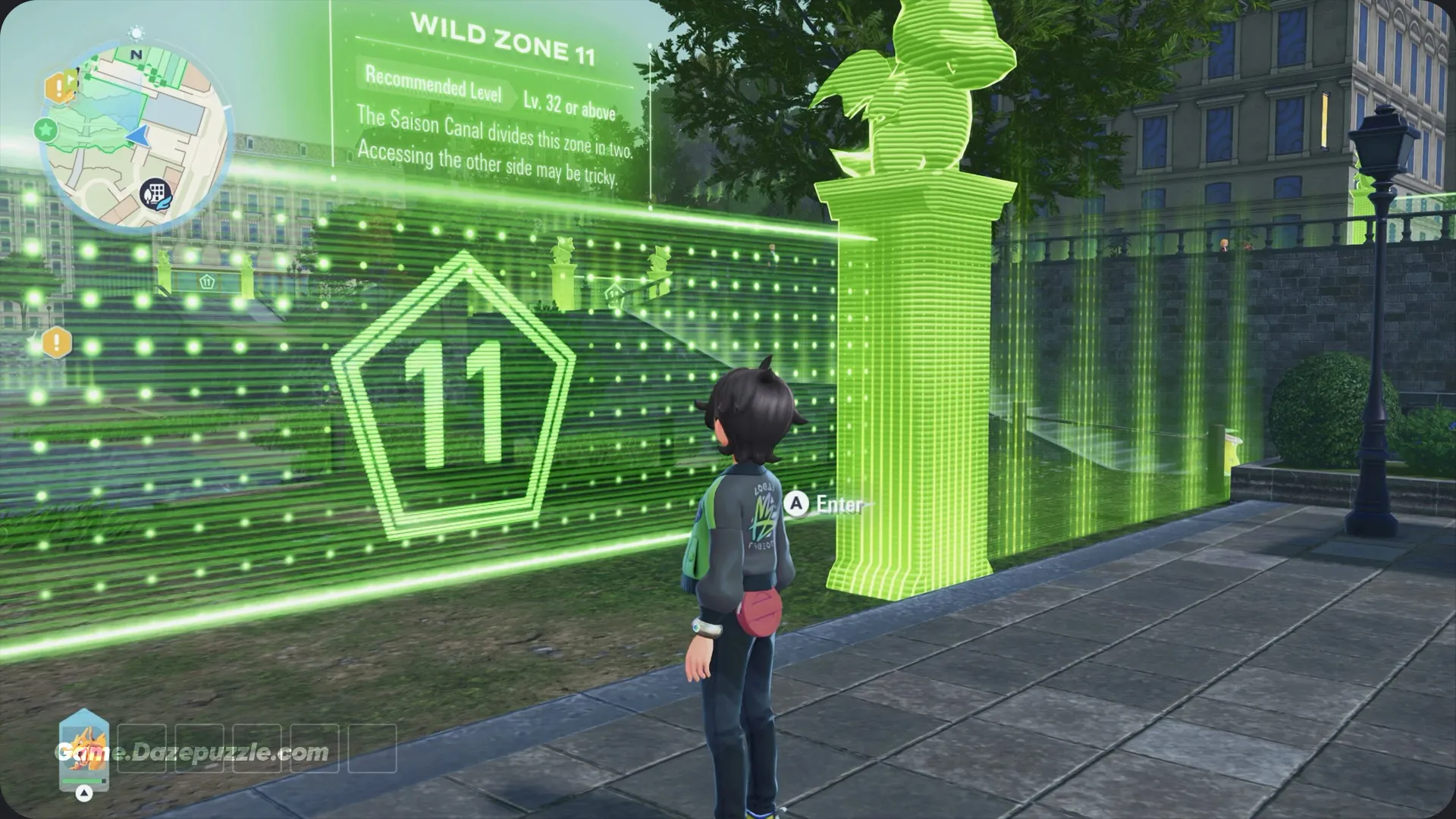
Zone 11 spans the beautiful Saison Canal with Stunfisk, Clauncher, Furfrou, Inkay, Slowpoke, and Gyarados. Zone 12 is the frozen zone housing Bergmite, Sneasel, Delibird, Vanillish, Snorunt, and Snover. Catching Delibird here is notoriously difficult. Zone 13 is bug-type paradise with Vivillon, Pinsir, Heracross, Scyther, Phantump, and Weepinbell.
Wild Zone 14 Through 15 (Mission 19 Unlocks)
Zone 14’s power plant setting contains Aron, Lairon, Drilbur, Excadrill, Onix, Emolga, and Helioptile. Zone 15 features tons of night-exclusive spawns including Pumpkaboo, Shuppet, Scolipede, Haunter, Whirlipede, Beedrill, and the pseudo-legendary Larvitar.
Wild Zone 16 Through 17 (Mission 24 Unlocks)
Zone 16 contains Falinks, Froakie (Kalos starter!), Barbaracle, Flaaffy, Florges, and Starmie. Zone 17 is one of the larger zones with Diggersby, Pyroar, Klefki, Skarmory, Lampent, and Chespin (another Kalos starter).
Wild Zone 18 Through 19 (Mission 30 Unlocks)
Zone 18 brings dragon-type goodness with Bagon, Swablu, Altaria, Fennekin (the final Kalos starter), Noibat, and Noivern. Zone 19 unlocks just before the final mission featuring Drampa, Cleffa, Clefairy, Eevee, Audino, Furfrou, and Kangaskhan.

Wild Zone 20 (Post Game Content)
The crown jewel of Pokemon Legends Z-A Wild Zones unlocks post-game with an overwhelming 15 species: Charmander, Squirtle, Bulbasaur (Kanto starters), Tepig, Totodile, Chikorita (Johto starters), plus evolved powerhouses like Malamar, Lucario, Dragalge, Roserade, Hippowdon, Gardevoir, Aggron, Scrafty, and Garbodor. This zone undergoes a map change post-game that you won’t miss.
Best Wild Zones for Rare Pokemon
If you’re targeting specific rare catches, certain Pokemon Legends Z-A Wild Zones are worth prioritizing over others.
For starter Pokemon, Zone 20 is your ultimate destination with five starters available (all three Kanto and two Johto starters). Zones 16, 17, and 18 contain the Kalos starters Froakie, Chespin, and Fennekin respectively if you want alternatives to your starting choice.
Pseudo-legendary hunters should beeline to Zone 7 for Gible, Zone 15 for Larvitar, and Zone 18 for Bagon. These powerhouses evolve into competitive battlers and are notoriously rare in most Pokemon games.
Zone 9 stands out for type-exclusive collectors with Sableye, Mawile, and the unique Carbink all spawning here. Zone 14’s power plant is steel-type heaven if you’re building a defensive team. Zone 12’s ice types are perfect for rounding out type coverage, though be prepared for Delibird to drive you nuts with its evasiveness.
Tips for Completing All Wild Zones
Catching every Pokemon in all 20 Wild Zones sounds daunting, but these strategies make the process smoother.
First, pay attention to day and night cycles. Several Pokemon only spawn at specific times, particularly in Zone 15 which focuses heavily on night spawns like Pumpkaboo and Haunter. Cycle through time if you’re hunting specific Pokemon to maximize your efficiency.
Alpha Pokemon appear in Wild Zones as stronger, larger variants of regular species. They’re tougher to catch but worth the effort for completion and the stat boost. Each Wild Zone contains specific Alpha spawns, so reference zone-specific guides if you’re struggling to locate them.
Completing a Wild Zone by catching every available Pokemon rewards you with a crown icon on that zone’s marker, a satisfying visual confirmation of your hard work. More practically, each completed zone grants substantial research points through Mable’s Research, unlocking items and bonuses that make subsequent catching easier.
Don’t sleep on Zone 10’s rooftop Pokemon. They’re easy to miss if you’re not looking up, and several species hide in elevated positions that require careful navigation to reach. Similarly, Zone 11’s canal layout can confuse new players, so take time to explore the full water area.
Pokemon Legends: Z-A Official Website
Thanks for Staying with Game.Dazepuzzle